chicago bricks
North Chicago Bricks, a renowned producer of Chicago-style bricks, is dedicated to offering exceptional quality clay bricks. These bricks are directly imported from the Dominican Republic to Miami, Florida, ensuring authenticity and top-notch quality. They perfectly chicago bricks the classic aesthetic of Chicago bricks but come with the benefits of being brand new and undamaged. North Chicago Bricks prides itself on providing these high-quality bricks at unbeatable prices, making them an excellent choice for customers seeking the timeless look of Chicago bricks without compromising on quality or cost.
Classic Clay Bricks: Our standard clay bricks are identical in material and craftsmanship to the revered Chicago brick. With dimensions of 2 3/8 x 4 x 7.5 inches, they’re perfect for robust and stylish construction.
Thin Bricks & Corners: For more intricate designs, our thin bricks, measuring 1 3/8 inches in thickness, offer the same quality in a sleeker form. We also provide corner pieces, ensuring a seamless fit for any project.
Much of Chicago is built from Chicago Common bricks. If you're in Chicago, you're probably near some now. Chicago Commons are the rougher and dirtier bricks on the sides and back of many of Chicago's buildings. They're made from the clay from the Chicago River and when fired they can turn a range of colors, like buff yellow, salmon pink, or deep red. Chicago bricks age beautifully and take on a beautiful patina.
History
Before the Great Chicago Fire of 1871, Chicago was built mostly of wood. The fire burned down over 17,000 buildings and, after another fire in 1874, citywide building codes were changed to ban new wood buildings. The rebuilders of the city in turn dug into the clay of the river and areas surrounding the city to make bicks.
The clays used to make Chicago Common Bricks are full of lime, iron, and tons of little stones and particulate. Depending on the makeup of the particular batch, the bricks burned to a different range of colors, often colored in spots (called flashpoints, where the bricks touched in the kilns). These Chicago bricks were called Commons because they were rougher and deemed unworthy of gracing the street facing facade of the building. That purpose was left to nicer “face bricks” made with the smoother, cleaner clays from areas like Pennsylvania and St. Louis.
So, Chicago bricks were tucked away on the back, sides, and interiors of buildings. You can still spot them there!
In 1871 there were 5 brickyards in Cook County. By 1881 there were 60. By 1915, 10% of all brick made in America was made in Chicago. Chicago was transformed from a city of wood to a city of brick.
The last Chicago Common brick maker was closed in 1981, and no Chicago Common bricks have been made since.
Reuse and Reclaim
Chicago Common bricks are often reclaimed and sent around the world. Often times, brickyards will use saws to slice the long stretcher faces off the reclaimed bricks creating multiple thin bricks out of one brick.
You can spot reclaimed Chicago Common brick on many new homes, storefronts, and interiors.
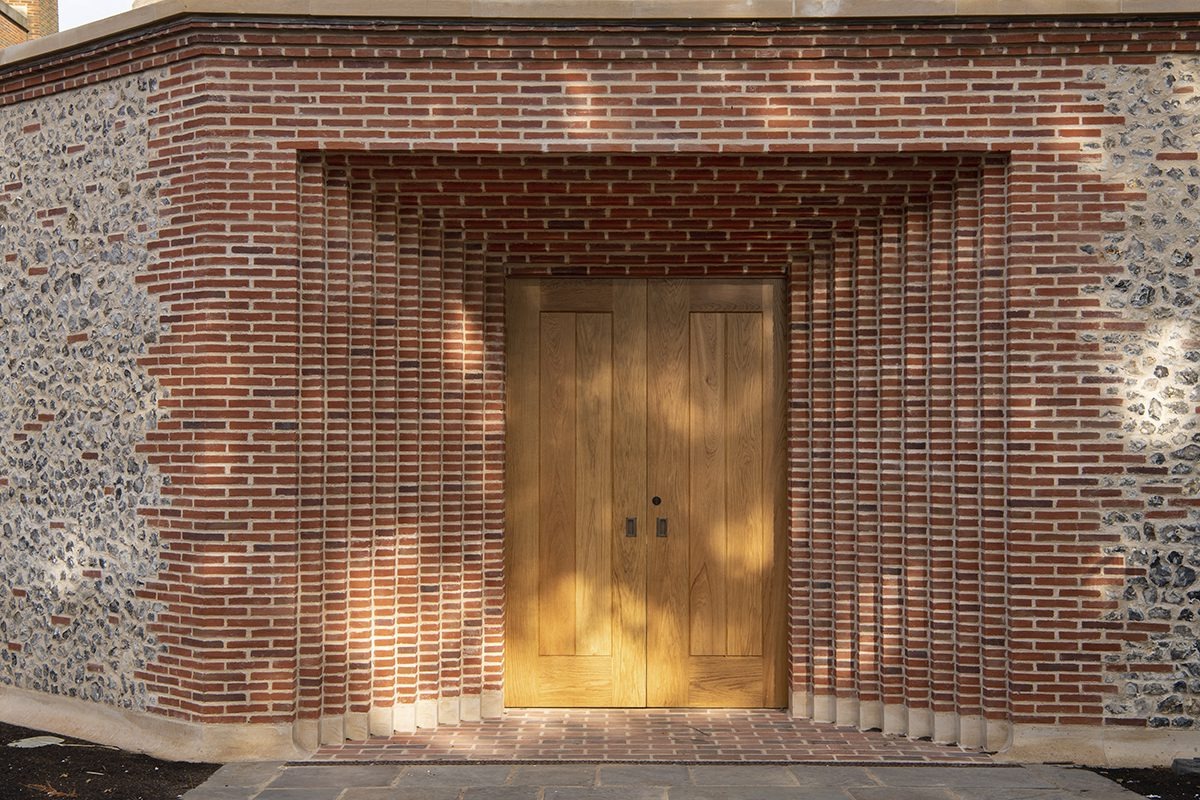
Any easy way to spot a wall of reclaimed Chicago Common brick: Original walls of Chicago brick aged and stained together and are often from the same batch of clay and thus the same color. On a wall of reclaimed commons, bricks are taken from multiple buildings, sites, and batches, so you’ll see a large variation in colors, patina, staining, and painting. For example, a painted common next to a red common, next to a yellow, next to a black soot-stained Common brick. That’s a tell-tale sign of a reclaimed wall.
Other Regional Bricks.
One of the cooler things about Chicago Commons is how unique they are to Chicago and the clay deposits here. Move up the lake to Milwaukee and the clay is different enough that you get Cream brick in chicago Brick. In Madison, Wisconsin, the common bricks are smooth silver. St. Louis clays were smooth and high in iron and made dense, matte red bricks. Toullouise, France is covered in home-grown pink bricks.
Aren’t bricks the coolest?
Want to learn more about brick bonds, brick patterns, and the amazing ways bricks are used? Check out the learn page of my site.
মন্তব্যসমূহ
একটি মন্তব্য পোস্ট করুন